
Table of Contents
- 1. Choose the Best Heel Height for Comfort
- 2. Prioritize Block Heels and Wedges for Stability
- 3. How to Make Heels More Comfortable with Proper Fit
- 4. How to Break In Heels Before the Wedding
- 5. Select Wedding Shoe Inserts for Comfort and Support
- 6. Choose Breathable Materials and Secure Straps
- 7. Prepare a Bridesmaid Emergency Comfort Kit
- Frequently Asked Questions
Last Updated: October 10, 2026
1. Choose the Best Heel Height for Comfort
The ideal heel height for wearing all day is between 1.5 and 2.5 inches. Anything higher forces your foot into an unnatural angle, straining the ball of your foot and creating pressure points that lead to pain by the reception.
Most bridesmaids make the mistake of choosing heels that match the bride's vision without considering their own comfort threshold. A 3-inch heel might photograph beautifully, but you'll regret it after standing through the ceremony, photos, and dinner. The sweet spot is a heel that gives you height and elegance without sacrificing stability.
Block heels and wedges distribute weight more evenly across your foot than thin stilettos, reducing fatigue over long hours. If your bridesmaid dress demands a traditional heel, look for styles with a wider base or modest pitch angle. Your feet will thank you when you're still dancing at midnight.
2. Prioritize Block Heels and Wedges for Stability
Block heels and wedges are the secret weapon for comfortable bridesmaid shoes. They provide the same visual height as stilettos but with significantly better weight distribution and ankle support.
A block heel spreads pressure across a wider surface area, preventing the concentrated pain that comes from balancing on a thin heel. Wedges go even further by supporting your entire foot from heel to toe, which is why many bridesmaids who've switched to wedges never go back.
The stability advantage matters most during the reception. You'll be walking on different surfaces, standing in receiving lines, and potentially dancing. Block heels let you do all of this without constantly adjusting your stance or worrying about twisting an ankle. Wedding venues often have uneven flooring, sloped gardens, or outdoor terrain where a thin heel becomes a liability.
If the wedding aesthetic requires a more delicate look, modern block heels come in sleek designs that don't sacrifice style for comfort. Metallic, jeweled, or minimalist block heels work beautifully with most bridesmaid dresses. Pairing these stable silhouettes with versatile bridesmaid dresses ensures that your ensemble remains both practical and elegant long after the ceremony concludes.
3. How to Make Heels More Comfortable with Proper Fit
Proper fit is the foundation of comfortable bridesmaid shoes. Too tight and you'll develop blisters; too loose and your foot slides with every step, creating friction and fatigue.
When trying on shoes, wear the socks or hosiery you'll wear on the wedding day. Your foot swells slightly throughout the day, so try shoes in the afternoon or evening rather than the morning. You should have a thumb's width of space between your longest toe and the end of the shoe. Your heel should not slip when you walk, but it shouldn't feel pinched either.
Pay attention to the width of the shoe, not just the size. Many bridesmaids assume a size 8 is a size 8 across all brands, but width varies dramatically. A shoe that's the right length but too narrow will cause pressure on the sides of your foot, leading to soreness by mid-reception.
Ankle straps and T-straps provide extra security, preventing your foot from sliding forward in the shoe. This reduces friction and keeps your heel stable, which is especially important if you're walking on grass or uneven surfaces. A secure fit means less energy spent stabilizing your foot, which translates to less fatigue.
4. How to Break In Heels Before the Wedding
Breaking in your bridesmaid shoes should start at least two weeks before the wedding. Wearing new heels for the first time on your wedding day is a recipe for blisters and pain.
Start by wearing them around your house for 30-minute intervals. This lets your feet adjust to the heel height and the shoe's structure without the pressure of an all-day event. Gradually increase wearing time by 15 minutes each day. By the week of the wedding, you should be comfortable wearing them for 2-3 hours straight.
Pay attention to any pressure points during these test runs. If a specific area rubs or pinches, address it early. A small blister that develops during a practice session is far better than discovering a problem on the wedding day when it's too late to fix.
Wear your shoes on the same type of flooring you'll encounter at the wedding. If the reception is indoors on hardwood, practice on hardwood. If there's outdoor ceremony space on grass, wear your shoes on grass. Your feet will adjust differently depending on the surface, and you want to know how the shoes perform in the actual environment.
5. Select Wedding Shoe Inserts for Comfort and Support
Quality insoles and cushioning products make a dramatic difference in how your feet feel after hours in heels. Gel inserts, memory foam pads, and arch support insoles are affordable solutions that reduce fatigue significantly.
Focus on products that target the ball of your foot, where most pressure concentrates in heels. Metatarsal pads sit just behind the ball of your foot and redistribute weight, reducing the sharp pain that develops from standing in one position for hours. Gel heel cups cushion your heel and absorb impact when you walk.
Foot Comfort Spray for Ultimate High Heels →
The key is finding inserts that don't make your shoe too tight. Try inserts in your shoes before the wedding and walk around to ensure they fit comfortably without creating new pressure points. Some bridesmaids prefer thin gel pads over bulky foam inserts because they take up less space.
Don't overlook the power of a good arch support insert, especially if you have naturally flat feet or high arches. Proper arch support prevents your foot from rolling inward or outward, which reduces strain on your ankles and knees over a long day.
6. Choose Breathable Materials and Secure Straps
Breathable materials keep your feet cooler and reduce swelling, which is especially important during long events. Leather, satin, and mesh all allow air circulation, while synthetic plastics trap heat and moisture.
Look for shoes with open-toe or peep-toe designs if the wedding dress code allows. These styles reduce heat buildup and give your toes room to breathe. Even a small opening makes a noticeable difference in foot comfort by the end of the night.
Secure straps prevent your foot from sliding inside the shoe, which eliminates friction and blisters. An ankle strap, T-strap, or Mary Jane style keeps your heel locked in place, especially important if you're standing on grass or walking on uneven surfaces. A loose shoe forces your foot to work harder to stay stable, which accelerates fatigue.
Consider the material of the shoe's interior lining as well. Soft, padded linings reduce rubbing and irritation. Rough or synthetic linings can cause blisters even in a well-fitting shoe, so run your fingers inside the shoe to check for rough seams or hard edges.
7. Prepare a Bridesmaid Emergency Comfort Kit
Create a small emergency kit to keep nearby during the reception. Include blister treatment supplies, extra insoles, pain relief spray, and backup flats for dancing later in the night.
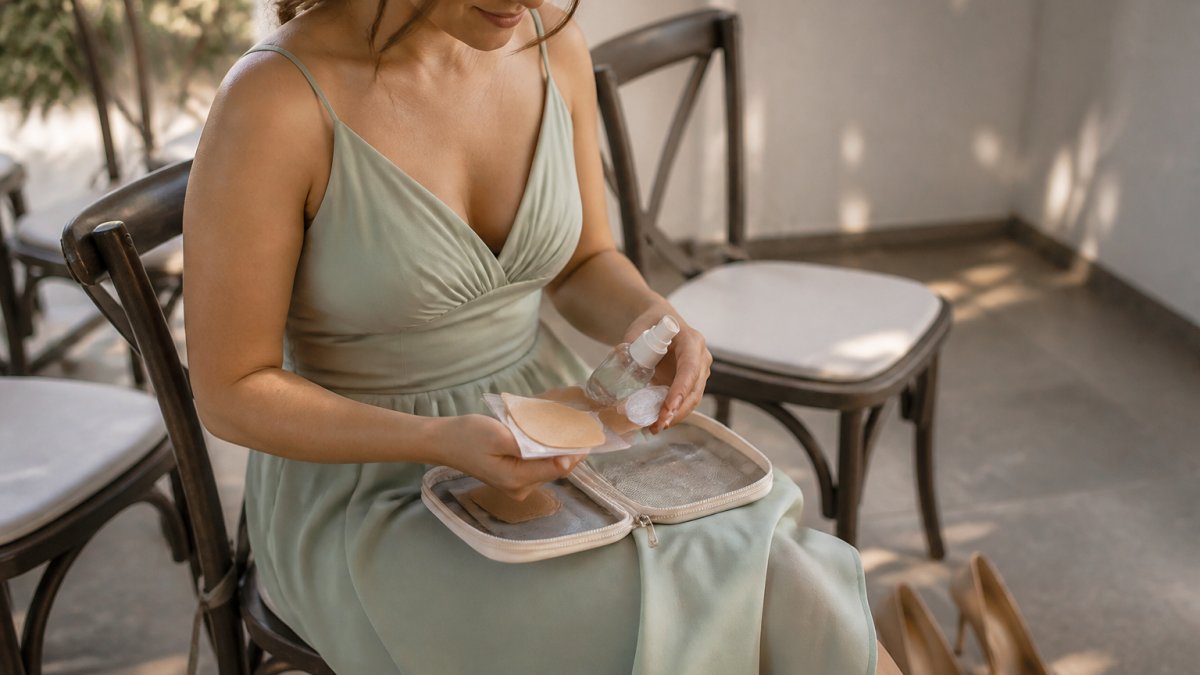
Blister prevention and treatment supplies should include adhesive bandages, blister pads, and moleskin. If you feel a hot spot developing on your foot, address it immediately before a full blister forms. Catching discomfort early prevents hours of pain later.
Still Standing® Spray is the perfect addition to your emergency kit. The non-numbing cooling menthol formula provides immediate relief without deadening your feet, so you maintain natural sensation and balance. Apply it before the ceremony and again before the reception if needed. The portable 0.5 fl oz travel size fits easily in your clutch, making it simple to reapply throughout the day. Many bridesmaids keep it in their emergency kit alongside other comfort essentials.

Bring backup shoes for later in the evening. Comfortable flats or low heels let you transition out of your formal shoes once the ceremony and formal photos are complete. Your feet will feel dramatically better, and you'll be able to dance and enjoy the reception without pain.
Keep your emergency kit in an accessible location, either with the wedding party coordinator, in your car, or with a trusted friend. You don't want to be searching for blister treatment when you're already uncomfortable.
Choosing comfortable bridesmaid shoes doesn't mean sacrificing style or elegance. By selecting the right heel height, prioritizing stability, ensuring proper fit, and preparing with comfort essentials like Still Standing® Spray, you can enjoy the entire wedding day without foot pain. Start your shoe selection early, break in your heels before the event, and keep comfort supplies nearby. Your feet, and your bridesmaid photos, will reflect the confidence that comes from being truly comfortable.
Frequently Asked Questions
What heel height is most comfortable for wearing bridesmaid shoes all day?
A 2-3 inch heel offers the best balance between style and comfort for extended wear. Lower heels reduce foot fatigue and pressure, while block or wedge heels distribute weight more evenly than thin stilettos. Test your chosen height by wearing the shoes for at least 2-3 hours before the wedding to confirm comfort. If you experience pain, consider dropping to a 1.5-2 inch heel or exploring flat or low-heel alternatives that coordinate with your dress.
How do you break in new bridesmaid shoes before the wedding?
Start wearing your shoes indoors 2-3 weeks before the event for 30-60 minutes daily, gradually increasing wear time. Walk on different surfaces (carpet, tile, hardwood) to identify problem areas. Apply a foot comfort spray like Still Standing® before wearing to reduce friction and discomfort. Wear the shoes during similar activities to the wedding (standing, walking, light dancing) so your feet adjust to the exact demands you'll face on the day.
What's the difference between numbing foot sprays and non-numbing comfort sprays?
Numbing sprays mask pain by deadening sensation, which can cause dangerous falls or injuries because you lose awareness of foot position and pressure. Non-numbing formulas like Still Standing® use cooling menthol and plant-derived ingredients to soothe and refresh feet while maintaining natural sensation, so you stay aware of your balance and movement. This approach allows you to feel beautiful and confident without sacrificing safety or stability during the wedding.
Should bridesmaids bring a backup pair of shoes to the wedding?
Yes, absolutely. Keep a second pair of shoes (flats or low heels) in your car or with a trusted family member. Swollen feet, unexpected blisters, or broken heels can happen during a long event. Having backup shoes ensures you can stay comfortable and present for key moments like photos, the reception, and dancing. Pack them discreetly so they're available if needed without disrupting the day's flow.