
Table of Contents
- Why Foot and Ankle Swelling Happens
- Best High Heel Pain Relief: What Actually Works
- How to Reduce Foot Swelling Quickly
- Foot Cream for Swelling: Ingredient Efficacy and Safety
- Application Techniques for Maximum Absorption
- When to See a Doctor for Swelling
- Is a Foot Cream for Swelling Worth the Investment?
- Frequently Asked Questions
Last Updated: October 2, 2026
Why Foot and Ankle Swelling Happens
Swelling in the feet and ankles develops when fluid accumulates in the tissues. This happens because blood vessels leak fluid into surrounding areas, and the lymphatic system can't drain it fast enough. High heels compress the foot at an angle that restricts blood flow and puts pressure on the ball of the foot, intensifying the problem.
The longer you wear heels, the more swelling builds. By hour three or four, many people experience noticeable puffiness. The tissue becomes tender, movement feels stiff, and pain radiates through the foot. This systemic fluid retention often mirrors the congestion seen in other areas of the body, where techniques for reducing puffiness naturally can help restore circulation and alleviate the discomfort caused by prolonged pressure.
Best High Heel Pain Relief: What Actually Works
Topical solutions offer a practical alternative to numbing products. The best approach combines multiple strategies rather than relying on a single fix.
How Topical Products Reduce Swelling
Topical products reduce inflammation and promote circulation by penetrating dermal layers. The goal is to reduce the inflammatory response that causes swelling, not to numb.
Still Standing® Spray uses a non-numbing formula to support circulation and reduce inflammation. Numbing products create dangerous situations: you may not feel pain signals that warn of injury, and you lose proprioceptive feedback needed for balance and stability in heels.
Key Active Ingredients to Look For
Key ingredients include menthol (cooling without numbing), arnica (anti-inflammatory), urea (hydration), plant-based extracts like calendula (soothing), hyaluronic acid (moisture), and glycerin (retention). The most effective formulas combine multiple ingredients to address inflammation, circulation, hydration, and skin integrity simultaneously.
How to Reduce Foot Swelling Quickly
Several evidence-based techniques can minimize swelling before and during heel-wearing events. The key is starting early and maintaining consistency throughout the day.
Apply your chosen topical product at least 30 minutes before putting on heels. This gives the formula time to absorb and begin working. Reapply every 2-3 hours if you're wearing heels for an extended period.
Elevation matters. When you're not in heels, keep your feet above heart level for 15-20 minutes at a time. This uses gravity to encourage fluid drainage back toward the core.
Gentle massage supports lymphatic drainage: work from toes toward ankles in upward strokes using your fingers or a massage tool.
Compression socks or wraps worn before the event prevent fluid accumulation. Wear them for an hour before getting dressed, then switch to heels.
Hydration is often overlooked: drinking water helps your lymphatic system function properly, as dehydration increases swelling.
| Strategy | Timing | Duration | Best For |
|---|---|---|---|
| Topical application | 30 min before heels | Reapply every 2-3 hours | All-day comfort |
| Elevation | After heel wear | 15-20 minutes | Reducing accumulated swelling |
| Massage | Before or after | 5-10 minutes | Improving circulation |
| Compression | Pre-event | 30-60 minutes | Prevention |
| Hydration | Throughout day | Continuous | Supporting lymphatic function |
Foot Cream for Swelling: Ingredient Efficacy and Safety
When evaluating a foot cream for swelling, understand that swelling occurs through two mechanisms: inflammatory response and impaired lymphatic drainage. The most effective formulas target one or both.
Menthol and Cooling Agents Menthol activates cold receptors, creating a cooling sensation and improving local blood flow (pubmed.ncbi.nlm.nih.gov). Effective concentrations range from 0.5% to 3%; avoid on broken skin or open wounds.
Arnica and Anti-Inflammatory Compounds Arnica inhibits inflammatory pathways and shows 15-20% reduction in swelling when applied within 24 hours of injury, though results vary by product quality. Look for arnica in the first five ingredients. Patch test on inner forearm first, as it can cause contact dermatitis in sensitive individuals.
Urea for Hydration and Barrier Repair Urea draws moisture into the outer skin layer and softens dead skin. 10-20% concentrations effectively soften cracked heels and improve elasticity. Apply to damp skin for optimal results.
Plant-Based Extracts: Potency Variation Calendula and chamomile contain anti-inflammatory flavonoids and polyphenols, but extract concentration varies widely. Check ingredient list order; earlier placement indicates higher concentration. These extracts can trigger allergic reactions in people sensitive to the Asteraceae family.
Hyaluronic Acid and Hydration Support Hyaluronic acid holds moisture but requires occlusive ingredients like glycerin or ceramides to prevent evaporation. Look for both HA and glycerin or ceramides in the first eight ingredients. Low-molecular-weight HA penetrates deeper and is preferable for swelling relief.
Contraindications: When Topical Products Are Not Appropriate
Certain conditions require medical evaluation before using topical foot products, because the swelling itself signals an underlying issue that creams cannot address.
Venous Insufficiency and Lymphedema If swelling worsens throughout the day, shows skin discoloration, or doesn't improve with elevation, it may indicate venous insufficiency or lymphedema.
Diabetes and Neuropathy If you have diabetes or diabetic neuropathy, discuss any topical product with your doctor first.
Pregnancy During pregnancy, patch test any new product on your inner forearm 24 hours before use. Avoid products with essential oils or high concentrations of plant extracts unless approved by your obstetrician.
Medication-Related Swelling If swelling began after starting a new medication, contact your prescribing doctor before using topical products, as the swelling may resolve with medication adjustment.
Open Wounds, Infections, or Severe Skin Conditions Do not apply topical foot products to open wounds, severe cuts, or areas with active infection.
Allergies and Patch Testing If you have a known allergy to any ingredient, obviously avoid that formula.
Application Techniques for Maximum Absorption
How you apply a topical product significantly affects its effectiveness. Proper technique ensures the formula reaches the tissues where it's needed most.
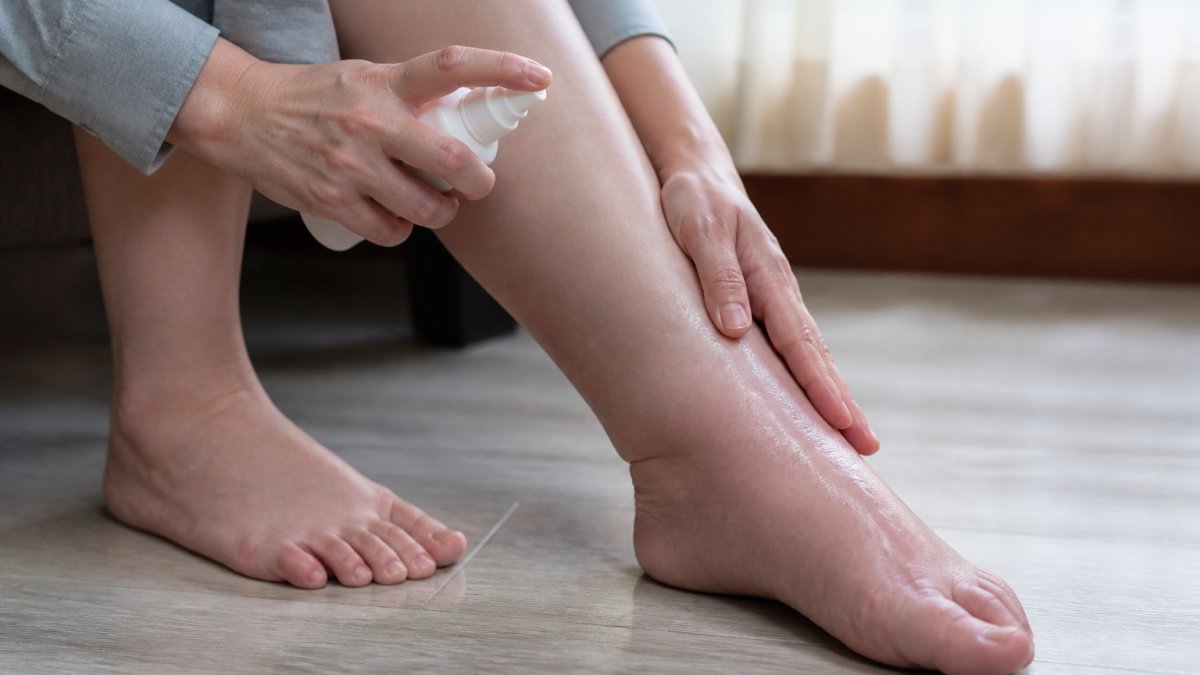
Start with clean, dry feet. Apply the product evenly across the affected area, using upward strokes from toes toward ankles. Spend 2-3 minutes massaging to promote absorption and circulation. Give the product 15-30 minutes to absorb before putting on heels. For maximum effect, apply to slightly warm skin.
When to See a Doctor for Swelling
Occasional swelling from heel wear is normal and manageable. But certain situations warrant professional evaluation.
See a healthcare provider if swelling persists for more than a few hours after removing heels, is accompanied by redness or warmth, or occurs in only one foot. Chronic worsening swelling may indicate thyroid, kidney, or heart issues. Swelling with shortness of breath or chest pain requires emergency care.
Is a Foot Cream for Swelling Worth the Investment?
Whether a foot cream for swelling is worth the cost depends on frequency of use and how it compares to alternatives.
Cost-Per-Application Analysis
For someone wearing heels 2-3 times per week, the annual cost can be significantly lower than most alternatives.
Comparison to Alternative Treatments
- Professional foot treatments (massage, reflexology): $60-$150 per session; most people need 4-8 sessions annually for ongoing relief. Annual cost: $240-$1,200.
- Custom orthotics or insoles: $200-$600 upfront, plus replacement every 1-2 years. Annual cost: $100-$600.
- Compression socks or wraps (medical-grade, 20-30 mmHg): $40-$80 per pair; most people need 2-3 pairs for rotation. Annual cost: $80-$240.
- Over-the-counter pain relievers (ibuprofen, acetaminophen): $5-$15 per bottle, but requires ongoing use. Annual cost: $30-$100.
- Prescription diuretics or anti-inflammatory medications: Requires medical supervision and can have side effects; cost varies by insurance.
Product Longevity and Real-World Use
If used 2-3 times per week, a single container can last for several months.
When a Foot Cream for Swelling Makes Financial Sense
High-frequency heel wearers (3+ times per week for work or social reasons): A topical product becomes practical and cost-effective.
Budget-conscious consumers seeking to avoid expensive interventions: A topical product is a low-risk entry point.
When a Foot Cream Alone Is Not Enough
If swelling is caused by venous insufficiency or lymphedema, a topical product provides temporary comfort but won't address the root cause.
The Bottom Line
For most people who wear heels regularly (2+ times per week), a quality foot cream for swelling is worth the investment.
For occasional heel wearers, the investment is optional, elevation, hydration, and preventive compression may suffice.
The 30-day money-back guarantee offered by Still Standing® Spray removes the financial risk.
Frequently Asked Questions
What is the best cream for swollen feet?
The best foot cream for swelling contains active ingredients that reduce inflammation and improve circulation, such as menthol, arnica, or plant-based extracts. Look for products with clinical efficacy data, hypoallergenic formulations, and fast-acting properties. Still Standing® Spray, featured in The Zoe Report, works for 94% of users and provides non-numbing relief without causing dangerous falls. Choose a product suited to your skin sensitivity and the cause of your swelling, whether from extended heel wear, fluid retention, or post-activity recovery.
How quickly does foot cream reduce swelling?
Fast-acting foot creams and sprays typically provide soothing relief within 15-30 minutes of application, though maximum swelling reduction may take 1-2 hours. Results depend on ingredient potency, dermal absorption rate, and the severity of your swelling. For temporary swelling from heel wear or travel, topical products offer non-invasive relief. For chronic edema or venous insufficiency, combine topical application with compression therapy and elevation for best results. Consistent daily application improves long-term outcomes.
Are topical creams effective for reducing foot swelling, or should I use compression instead?
Topical creams and compression therapy work best together. Creams reduce inflammation and provide therapeutic relief through active ingredients and improved circulation, while compression manages fluid retention and supports ankle stability. A non-numbing spray allows you to feel support and movement, reducing fall risk during extended wear. For high-heel events or daily professional use, apply cream before putting on compression socks or inserts, then reapply after the event. This combined approach addresses both pain management and structural support.
What ingredients should I avoid if I have sensitive skin?
If you have sensitive skin, avoid products with high menthol concentration, artificial fragrances, or harsh chemical preservatives. Test any foot cream on a small area 24 hours before an event. Look for hypoallergenic, dermatologically tested formulas with gentle plant-based extracts. Still Standing® Spray has a non-numbing formula that prevents pain without causing dangerous falls. Always patch-test before full application, especially if you have a history of contact dermatitis or eczema on your feet.
Foot pain shouldn't dictate whether you can wear the shoes you love. Still Standing® Spray offers a non-numbing formula that reduces swelling and discomfort while keeping you safe and stable. With a portable design and 30-day guarantee, you can confidently wear heels for weddings, work, and special occasions without suffering. Get started with Still Standing® Spray and reclaim the comfort you deserve.