
Table of Contents
- What Causes Burning Foot Pain When Wearing High Heels
- How High Heels Affect Foot Biomechanics
- Recognizing Metatarsalgia Symptoms from High Heels
- How to Stop Feet from Hurting in Heels: Immediate Relief Strategies
- Best Insoles for High Heels and Shoe Fit Solutions
- Prevention Strategies for Chronic High Heel Wearers
- When to See a Doctor for Burning Foot Pain
- Frequently Asked Questions
Last Updated: September 24, 2026
What Causes Burning Foot Pain When Wearing High Heels
Burning foot pain heels results from biomechanical stress, nerve compression, and inflammation. Understanding these causes helps you manage discomfort and protect your feet.
Pressure on the Ball of the Foot
High heels concentrate body weight onto the forefoot. When you wear a heel higher than two inches, nearly 75% of your weight shifts onto the ball of the foot, an area designed to handle far less pressure.
The metatarsal bones compress together in high heels, pinching soft tissue, restricting blood flow, and irritating nerve endings. The higher the heel and narrower the toe box, the more pronounced the burning sensation.
Burning typically intensifies after two to three hours of wear, when tissue inflammation peaks. Pre-event preparation and strategic pressure relief can prevent this escalation.
Nerve Compression and Metatarsalgia
Metatarsalgia is pain in the ball of the foot, triggered by nerve compression. The tibial nerve gets compressed when metatarsal bones squeeze together, producing burning, tingling, or shooting sensations.
Frequent nerve compression can develop into tarsal tunnel syndrome, where inflammation persists even after removing heels. Addressing burning foot pain early prevents chronic conditions.
The sensation you feel isn't just discomfort; it's your nervous system signaling that tissues are being stressed beyond their comfortable threshold. A non-numbing approach to foot care, like the cooling menthol formula in Still Standing® Foot Comfort Spray, addresses this by soothing irritated nerves and reducing inflammation without deadening sensation, so you maintain awareness of your foot position and avoid dangerous falls.

Inflammation and Circulatory Issues
Inflammation from heel pressure triggers swelling, blood vessel constriction, and fluid accumulation between bones and tendons, intensifying burning and causing visible puffiness.
Tight shoes restrict blood flow, preventing oxygen-starved tissues from repairing efficiently and allowing metabolic waste to accumulate, creating persistent burning ache.
Inflammation and reduced circulation create a feedback loop that prolongs discomfort. Breaking it requires immediate relief and recovery protocols that restore blood flow.
How High Heels Affect Foot Biomechanics
High heels alter foot function and weight distribution. Understanding this biomechanical shift explains why burning foot pain occurs and how prevention works.
A two-inch heel increases foot angle by roughly 20 degrees; three inches jumps to 35 degrees. This dramatic change tightens calf muscles, flattens arches slightly, and shifts disproportionate weight to the forefoot.
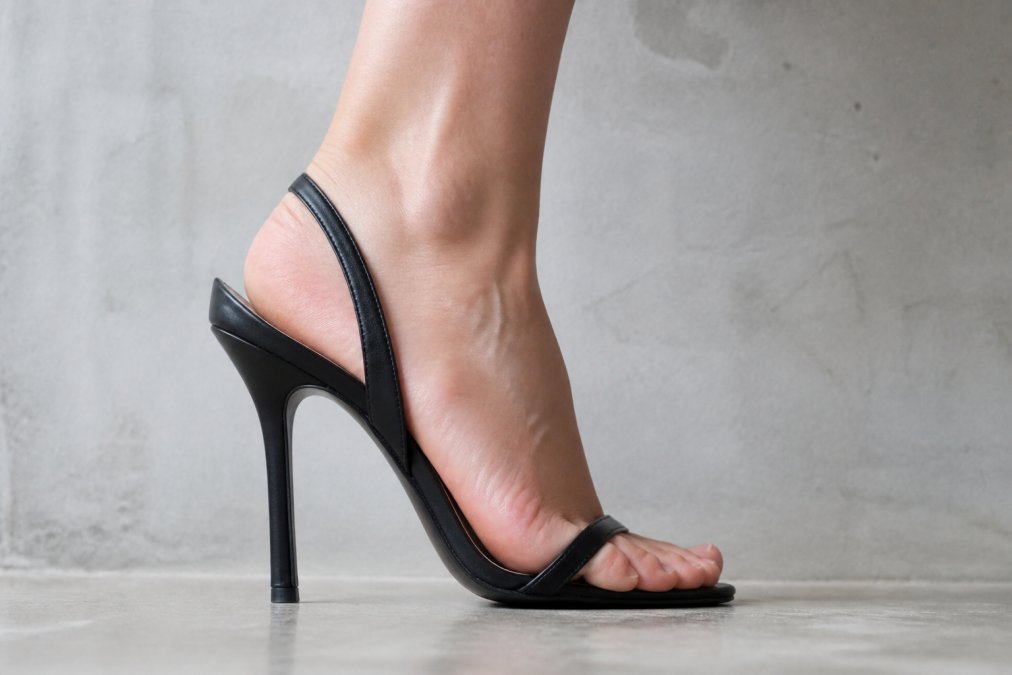
Metatarsal heads are designed for neutral foot position. In high heels, they concentrate force into a narrower area, causing muscular tension throughout your foot, leg, and lower back, resulting in burning and fatigue.
Toe box width matters as much as heel height. A narrow toe box adds lateral compression to metatarsal compression, causing burning even in moderately-heeled shoes.
Recognizing Metatarsalgia Symptoms from High Heels
Metatarsalgia symptoms escalate if ignored. Early recognition prevents severe or chronic pain.
The first symptom of burning foot pain heels is dull aching in the ball of the foot, often described as walking on hot coals. It typically appears after 90 minutes to three hours of heel wear.
As inflammation increases, tingling, numbness, or sharp shooting pains may develop, along with visible swelling that makes your foot feel tight.
Pain persisting 30 minutes after removing heels indicates significant inflammation requiring active recovery and preventative measures beyond simply removing the shoes.
How to Stop Feet from Hurting in Heels: Immediate Relief Strategies
Stopping foot pain requires three phases: pre-event preparation, during-wear management, and post-wear recovery.
Pre-Event Foot Preparation
Begin preparation at least two hours before wearing heels. Soak feet in cool water for five to ten minutes to reduce inflammation and keep tissues cooler.
Foot Comfort Spray for Ultimate High →
After soaking, apply a cooling menthol foot spray like Still Standing® Foot Comfort Spray across the ball of the foot, toes, and sides to counteract burning before it develops.
Follow spray with proper insole placement. Position gel inserts to support your arch and cushion the ball of the foot, distributing pressure more evenly.
During-Event Pain Management
During the event, remove heels for five minutes every hour if possible. If not feasible, shift weight frequently, alternate foot pressure, flex toes, and adjust stance to avoid locking your feet.
Consider carrying a travel-size foot spray for touch-ups. The Still Standing® Foot Comfort Spray Mini (0.5 fl oz) fits easily in a clutch or pocket, letting you reapply soothing menthol when burning starts to develop. A quick application can prevent minor discomfort from escalating into significant pain.

Stay hydrated and avoid standing in one spot for extended periods. Movement, even slow walking, maintains circulation better than standing still. If you're at an event where sitting is possible, elevate your feet whenever you can, this reduces swelling and takes pressure off the ball of your foot.
Post-Wear Recovery Protocols
Recovery after wearing high heels is where many people fall short, allowing inflammation to persist into the next day. Immediate post-event recovery should begin within 30 minutes of removing your heels.
Start with ice. Apply ice packs to the ball of your foot and your toes for 15 minutes. This reduces inflammation and slows the inflammatory cascade that continues even after pressure is removed. Follow ice with elevation, prop your feet up on pillows or a footstool for at least 30 minutes. Elevation drains fluid that's accumulated in your forefoot and reduces swelling.
Gentle stretching comes next. Perform calf stretches by standing facing a wall, placing one foot forward and one back, and leaning into the stretch. Hold for 30 seconds per leg. Then stretch your plantar fascia, the tissue running along the bottom of your foot, by pulling your toes back toward your shin. These stretches counteract the muscle tightness that high heels create and improve circulation.
Before bed, apply a cooling menthol foot spray again. This soothing application helps reduce nighttime inflammation and sets you up for better foot recovery overnight. Many heel wearers find that post-event recovery protocols determine how quickly they can wear heels again without pain returning.
| Recovery Phase | Action | Duration | Timing |
|---|---|---|---|
| Immediate | Ice application | 15 minutes | Within 30 minutes of removing heels |
| Short-term | Elevation | 30+ minutes | Immediately after ice |
| Active recovery | Stretching (calf and plantar fascia) | 10 minutes per stretch | 1-2 hours after removing heels |
| Evening | Menthol spray application | 2-3 minutes | Before bed |
Best Insoles for High Heels and Shoe Fit Solutions
Insole selection directly impacts your comfort in high heels. The right insole can reduce burning foot pain compared to wearing heels without any support.
Gel inserts designed for metatarsal support are the most effective option for burning foot pain. These inserts have a raised pad that sits just behind the ball of your foot, redistributing pressure away from the most sensitive area. Look for gel inserts that are thin enough to fit inside your heels without making them uncomfortably tight, many high-heel inserts are specifically designed to be low-profile. Proper cushioning serves as a temporary fix, but choosing high-quality footwear remains the most sustainable way to ensure your feet receive the structural integrity they require throughout the day.
Arch support insoles also help, particularly if your arches tend to flatten in heels. A firmer arch support prevents your foot from collapsing, which reduces stress on the metatarsal bones. However, arch support alone doesn't address metatarsal pressure, so combining an arch insert with a metatarsal pad provides the best results.
Shoe fit matters as much as insole choice. Your heel should fit snugly at the back without slipping, your arch should align with the shoe's arch support, and, most critically, your toe box should have enough width that your toes don't feel squeezed.
Prevention Strategies for Chronic High Heel Wearers
If you wear high heels regularly, whether for work, social events, or personal preference, prevention becomes essential. Chronic exposure without proper management leads to persistent metatarsalgia and increases your risk of developing tarsal tunnel syndrome or other long-term foot conditions.
When to See a Doctor for Burning Foot Pain
Most burning foot pain from high heels resolves within hours to days of removing the shoes and following recovery protocols. However, certain situations warrant professional evaluation.
Frequently Asked Questions
How can I relieve burning foot pain caused by wearing high heels?
Immediate relief starts before you put your heels on. Apply a cooling foot comfort spray like Still Standing® to soothe the feet and reduce inflammation. During the event, take brief breaks to remove your shoes and stretch your calves. After wearing heels, soak your feet in cool water for 10-15 minutes, massage the ball of your foot gently, and elevate your legs to reduce swelling. Stretching exercises for your calf muscles and foot arches help restore proper alignment and reduce pressure.
Why do the balls of my feet burn after wearing high heels?
High heels concentrate body weight onto the ball of the foot, causing metatarsalgia, burning pain in the area behind your toes. This pressure compresses nerves and increases inflammation in tissues already stressed by the heel's angle. The higher the heel, the more pressure transfers to this sensitive area. Proper arch support, cushioning insoles, and pre-application of cooling formulas can reduce this specific discomfort significantly.
Can wearing high heels cause permanent nerve damage to my feet?
Occasional high heel wear rarely causes permanent nerve damage. However, chronic compression of nerves in the foot can lead to conditions like tarsal tunnel syndrome or neuroma if left unaddressed. Symptoms include persistent tingling, numbness, or burning sensations even after removing your shoes. If you wear heels frequently for work or events, preventative measures like proper arch support, regular stretching, and recovery protocols help protect nerve health and prevent long-term damage.
What's the difference between using a foot spray versus insoles for heel pain?
Insoles provide structural support and distribute pressure more evenly across your foot throughout the day. A non-numbing foot comfort spray like Still Standing® works by cooling and soothing inflammation before pain develops, allowing you to maintain natural sensation and balance safely. Many high heel wearers use both: quality insoles in their everyday heels for structural support, and a cooling spray before special events or extended wear. The spray is portable and works within minutes, making it ideal for touch-ups during events.